
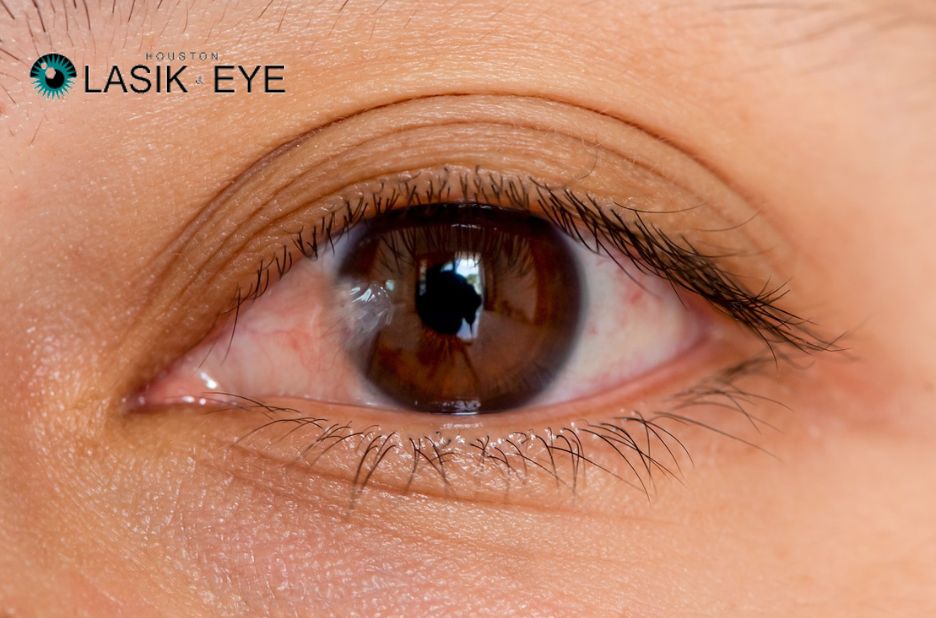
Understanding Pterygium
A pterygium is a benign growth of the conjunctiva that extends onto the cornea of the eye. Often triangular in shape, this growth can cause discomfort, redness, and irritation. While it is generally non-cancerous, Pterygium remedy untreated pterygium can interfere with vision if it grows large enough. It is most commonly seen in people exposed to excessive sunlight, dust, wind, or other environmental irritants.
Common Symptoms and Causes
Symptoms of pterygium typically include redness, inflammation, a gritty feeling in the eye, and sometimes blurred vision. Chronic exposure to ultraviolet (UV) light is a leading cause, which explains why individuals Eye Surgery Pterygium Removal living in sunny climates or spending considerable time outdoors are at greater risk. Other factors contributing to pterygium include dry eye conditions, dust exposure, and wind irritation.
Non-Surgical Approaches to Relief
For mild cases, managing symptoms without surgery is often possible. Artificial tears and lubricating eye drops can help soothe irritation and dryness. Wearing sunglasses to block UV rays and protect the eyes from environmental elements is also recommended. Anti-inflammatory medications prescribed by an eye specialist may reduce swelling and discomfort, providing temporary relief.
When Surgery Becomes Necessary
In cases where the pterygium grows large enough to affect vision or causes persistent discomfort, surgical removal is often recommended. This procedure, known as Eye Surgery Pterygium Removal, involves excising the growth and, in many instances, transplanting conjunctival tissue to cover the affected area. Surgery aims to restore comfort and prevent recurrence while preserving the eye’s health and function.
Advances in Surgical Techniques
Recent advances in Eye Surgery Pterygium Removal have improved outcomes and reduced recurrence rates. Techniques such as conjunctival autografting and amniotic membrane transplantation have become standard, providing better healing and aesthetic results. Additionally, the use of anti-metabolite medications during surgery helps minimize the likelihood of the pterygium returning.
Post-Operative Care and Recovery
Following surgery, patients are usually prescribed antibiotic and anti-inflammatory eye drops to promote healing and prevent infection. Avoiding exposure to sunlight and irritants is crucial during the recovery phase. Most patients experience significant relief from symptoms within weeks, though complete healing may take a few months. Regular follow-up visits are important to monitor the eye’s condition and ensure successful recovery.
Natural and Alternative Remedies
Some patients seek natural remedies as a complementary approach to managing pterygium symptoms. These may include the use of herbal eye drops, omega-3 fatty acid supplements, and protective eyewear to reduce irritation. While these remedies can help alleviate discomfort, they should not replace professional medical advice or surgical intervention when necessary.
Conclusion
Finding an effective pterygium remedy is essential to preserve eye health and comfort. While non-surgical options may help manage mild symptoms, Eye Surgery Pterygium Removal remains the definitive treatment for more advanced cases. At ouston Lasik & Eye, we understand the pain and discomfort that comes with a pterygium. We offer the best remedies to help you find relief and comfort. Discover our unique pterygium remedy today by visiting Pterygiumhouston.com and take the first step toward healthier eyes.