
Understanding the Benefits of Shared Living Spaces
In recent years, shared living arrangements have become increasingly popular, offering affordable and flexible housing solutions. This trend has given rise to the concept of co-living, where residents enjoy private bedrooms combined with communal living areas. The appeal lies not only co living property investment in the social and cost-saving aspects but also in the opportunity for investors to tap into a growing market segment. Understanding how co-living setups function is essential for those considering entry into this property niche.
Key Features of a Class 1b Rooming House
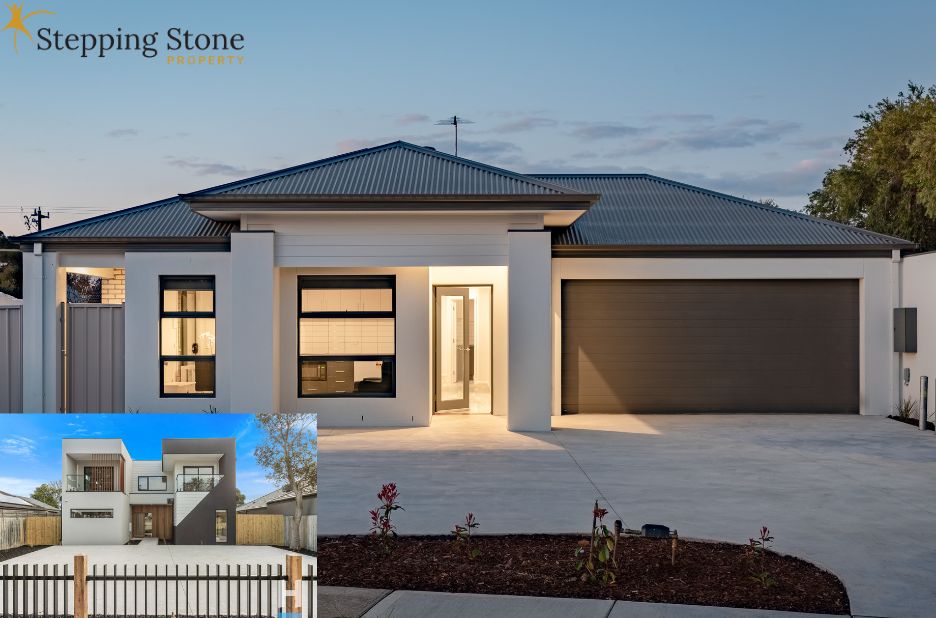
A class 1b rooming house is a residential property classification that is particularly relevant for co-living investments. These properties accommodate multiple tenants in single rooms while providing shared facilities such as kitchens, bathrooms, and living areas. Class 1b class 1b rooming house status often includes specific regulatory requirements regarding safety, amenity, and management, which can influence operational costs and tenant satisfaction. Investors should familiarize themselves with these standards to ensure compliance and maximize returns.
Why Co Living Property Investment Is a Smart Choice
Co living property investment presents a unique opportunity for higher rental yields compared to traditional single-family rentals. This is primarily due to multiple tenants occupying a single dwelling, which increases overall rental income. Additionally, the flexible lease terms and communal lifestyle attract young professionals, students, and transient workers, creating a consistent demand. Investors benefit from reduced vacancy rates and the ability to diversify their tenant base within one property, enhancing financial stability.
Practical Tips for Investing in Shared Accommodation
When venturing into co-living property investment, location is critical. Properties near universities, major transport hubs, and employment centers tend to perform better. It’s also important to select or renovate properties to meet the expectations of co-living tenants, focusing on privacy, security, and communal amenities. Proper management ensures tenant satisfaction and retention, which is vital for sustainable income. Finally, working with experienced professionals familiar with class 1b rooming houses can help navigate legal and operational challenges.
Conclusion
Co living property investment offers an attractive pathway for investors seeking higher yields and stable tenant demand. With the growing acceptance of shared living arrangements, understanding the nuances of class 1b rooming houses and the co-living market is crucial for success. Stepping Stone Property provides expert guidance and opportunities to unlock the potential of this dynamic sector. Visit Steppingstoneprop.com.au to start building your future with 10%+ rental yields in Melbourne and regional Victoria.