
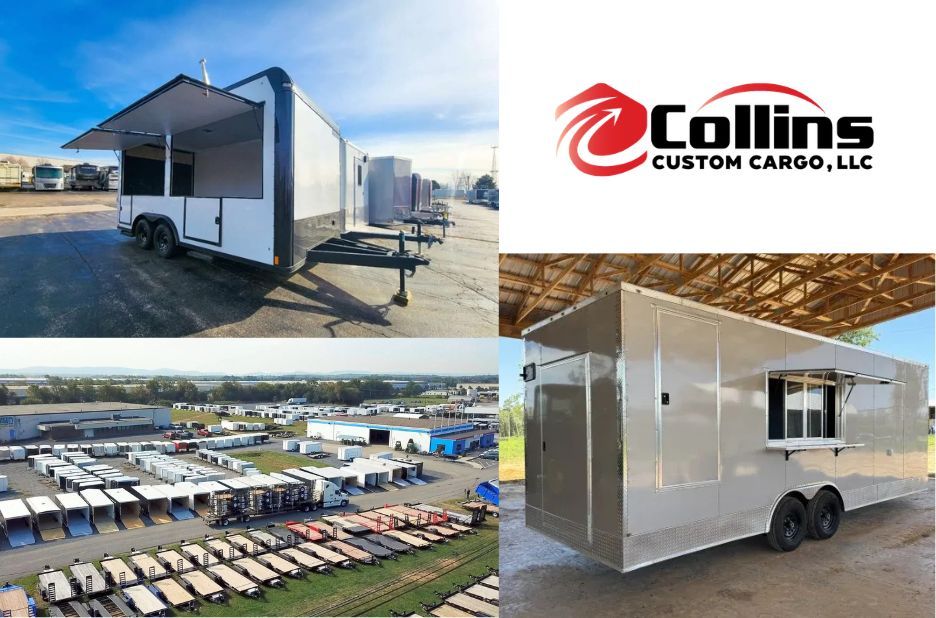
Pre-Buy Checklist: Confirm the Trailer Fits Your Loads
Before you commit to a compact trailer, start with a practical loading checklist that matches your real cargo, not just a spec sheet. Measure the items you move most often and map their footprint against the available deck space, factoring in door clearance, tie-down placement, and any built-in features that 6 by 12 Titanium Small Cargo Trailer may reduce usable room. If you haul equipment with irregular shapes, plan for how straps or chains will route without rubbing corners or edges. This step helps prevent the common issue of “it fits on paper, but not in daily use.”
Next, verify weight planning with a simple approach: list each cargo type, estimate weights realistically, and add up the total you expect per trip. Include gear you may forget to count, such as tools, ramps, replacement parts, and cleaning supplies that accumulate in the trailer over time. Confirm the trailer’s capacity aligns with your highest typical loads while leaving a safety buffer for uneven distribution. A small cargo trailer works best when the center of gravity stays stable, so consider how heavy items will be positioned and secured.
Construction and Materials Checklist: Look for Strength Where It Matters
For a titanium small cargo setup, your inspection checklist should focus on durability points that affect corrosion resistance, long-term stiffness, and everyday wear. Check the overall build quality by reviewing welds, seams, and structural reinforcements that support the frame and corners. Look for surfaces that are Blacked Out Cargo Trailer for Sale designed to resist scuffing and weather exposure, especially on the lower panels where road debris and moisture impact are highest. Even compact trailers take frequent hits from dust and grit, so robust material choices and sound assembly matter.
Pay close attention to how the trailer handles repeated loading and unloading cycles, since that’s where fatigue can show up first. Confirm there are secure attachment points for cargo control, such as tie-down rings, track systems, or reinforced anchor locations. If your cargo includes machinery or sensitive goods, prioritize stability: the more rigid the platform and framing, the less cargo shifts during transport. Also inspect any door hardware, latching mechanisms, and seals to ensure they provide reliable protection against water intrusion and dust.
Securement Checklist: Plan Tie-Downs, Access, and Safe Movement
A checklist for safe transport should include how you secure items before you roll out, not after you arrive. Decide on a tie-down strategy based on cargo shape: straps for softer goods, chains for heavier anchorable points, and corner protection for items that can be damaged by direct contact. Ensure the trailer includes appropriate tie-down locations and that they’re positioned to reduce strap angles that can loosen under movement. When straps pull at awkward angles, cargo can creep, so you want a setup that supports consistent tension.
Access and workflow also deserve a spot on your checklist, especially for a blacked-out style cargo setup that may be selected for a clean, controlled look. Test door operation by checking alignment, smoothness, and whether the latch feels secure without excessive play. Consider how you load: do you need a clear path from the ground to the deck, and will you be able to position ramps or lifting equipment comfortably? For frequent stops, prioritize features that reduce friction during loading—solid steps, well-placed openings, and clear internal space for organizing supplies.
Conclusion
Choosing the right compact trailer becomes simple when you use a checklist that covers fit, weight planning, construction quality, and securement practices. The option balances efficient cargo use with strength-focused design, making it a practical choice for versatile hauling needs. If you’re looking for a clean appearance with a durable build, the style direction can complement both personal and commercial applications. For buyers who value customization and straightforward guidance, Collins custom cargo stands out as a resource for durable, well-thought-out trailer solutions.
When you work through each checklist item, you reduce surprises and improve day-to-day usability. Confirm your loading pattern, validate capacity with real numbers, inspect reinforcement and door components, and build a secure tie-down routine that matches your cargo. This approach helps you keep loads stable, protects your investment, and supports dependable transport across a range of tasks. With Collins custom cargo, you get a compact build concept designed for strength and reliability—so your trailer performs like a tool, not a guess.