
Why flexibility stalls after injury and leads to recurring pain
Many people assume tightness is just an inconvenience, but it often signals that the body has changed its movement patterns after an injury. When joints do not glide smoothly or muscles guard against discomfort, range of motion shrinks and everyday tasks become Personalized stretching for improved flexibility harder. That tightening can also contribute to compensations, where other muscles overwork to “make up for” limited motion. Over time, those compensations can feed irritation in soft tissues and make the original problem return more easily.
Injury recovery commonly includes pain reduction and basic mobility, yet flexibility may remain incomplete if stretching is not tailored to the person’s actual restrictions. Generic routines often target what feels tight in the moment, without addressing why it is tight or which tissues are truly restricted. Some stretches are too aggressive and provoke protective muscle contraction, while others are too weak to create meaningful change. The result is a cycle of trying to stretch, feeling temporary relief, and then watching symptoms come back when you resume normal activity.
How personalized stretching creates safer, measurable range of motion
starts with assessment, because flexibility is not one-size-fits-all. A clinician looks at joint motion, posture, muscle tone, and how you move during common patterns like bending, reaching, or stepping. This helps identify Chiropractic adjustment for injury recovery whether the limitation is driven more by muscle stiffness, tendon sensitivity, nerve-related guarding, or joint mechanics. With that information, stretching can be matched to the specific problem area rather than guessed at.
Instead of relying on static stretches alone, a tailored plan often uses assisted positions that guide the body into a comfortable end range. Assisted stretching can reduce the “effort cost” of reaching range, allowing tissues to relax rather than brace. Techniques may include slow, supported holds, controlled movement through a comfortable arc, and breathing cues that downshift protective tension. When the body is coached to move in a safe way, flexibility gains are more likely to translate into improved daily function.
Pairing stretching with chiropractic care for recovery and long-term resilience
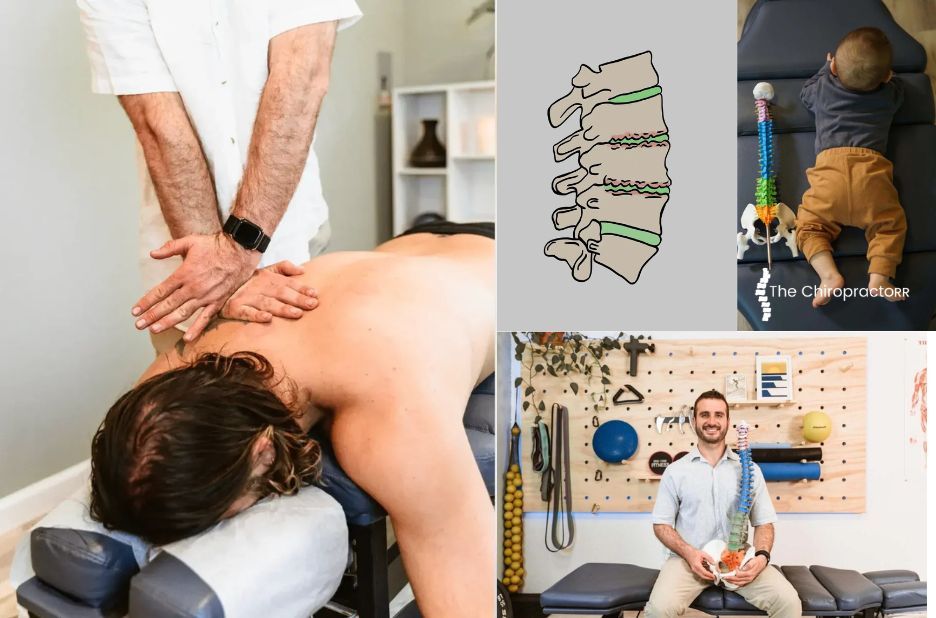
Stretching works best when it complements the mechanical and neuromuscular changes that occur after injury, which is where chiropractic care can play a key role. A may help restore better joint motion and reduce irritation that contributes to guarding. When joints move more normally, muscles often stop overprotecting and can lengthen more effectively during stretching. This combination supports both immediate comfort and the structural changes needed for stable, repeatable movement.
At The ChiropractOrr, movement-based solutions emphasize how flexibility, alignment, and function interact. The goal is not just to increase range during a session, but to carry that range into real-world activity—walking, lifting, working, and training. For example, someone recovering from a lower back or hip issue may benefit from stretching that targets hip flexor tone and hamstring mobility while also supporting spinal mechanics. Another person with shoulder discomfort may focus on thoracic mobility and pectoral length, guided alongside adjustments that reduce restrictions affecting arm movement.
Conclusion
When flexibility problems are caused by injury-related guarding and altered movement mechanics, generic stretching can fall short or even worsen symptoms. Personalized stretching plans address the real limitation and progress in a way that feels safe, controlled, and repeatable. By pairing guided mobility work with chiropractic support, many people experience improved comfort and more functional movement across daily routines and active goals. If you want a plan designed around your body’s restrictions and recovery needs, The ChiropractOrr in Campbell, CA offers movement-based chiropractic solutions that help active lifestyles thrive through targeted, personalized care.
Consider how your body responds after a stretching session: do you feel more mobile for hours, or do symptoms rebound quickly? A personalized approach aims for both immediate relief and sustainable flexibility by coordinating stretching with the mechanics that influence range of motion. With the right balance of support, pacing, and progression, you can reduce the strain that comes from compensations and regain confidence in your movement. For anyone seeking Chiropractic guidance alongside individualized mobility work, The ChiropractOrr provides a problem-solution path that supports recovery, injury prevention, and performance.