
Start With Safety and Quick Assessment
Before any cleanup begins, check for hazards that could worsen the situation or slow the response. If water is near electrical systems, avoid touching outlets, appliances, or damaged wiring, and keep everyone away from the affected area. Look for signs of contamination Emergency Water Extraction Services such as sewage odor, visible debris, or discoloration, because the cleanup approach changes based on water category. If you notice structural concerns like sagging ceilings or cracked walls, document the condition and prioritize professional intervention.
Next, perform a fast assessment so the response matches the damage level. Identify where the water came from, how long it has likely been present, and whether it is still entering the space. Use a simple checklist mindset: confirm the source is controlled, determine which rooms or building materials are impacted, and note any items that are already warped, swollen, or lifting from surfaces. A Water Damage Restoration Company should evaluate moisture readings, visible saturation, and airflow pathways so the drying plan targets the true problem, not just the wet surface.
Use a Step-by-Step Extraction and Containment Checklist
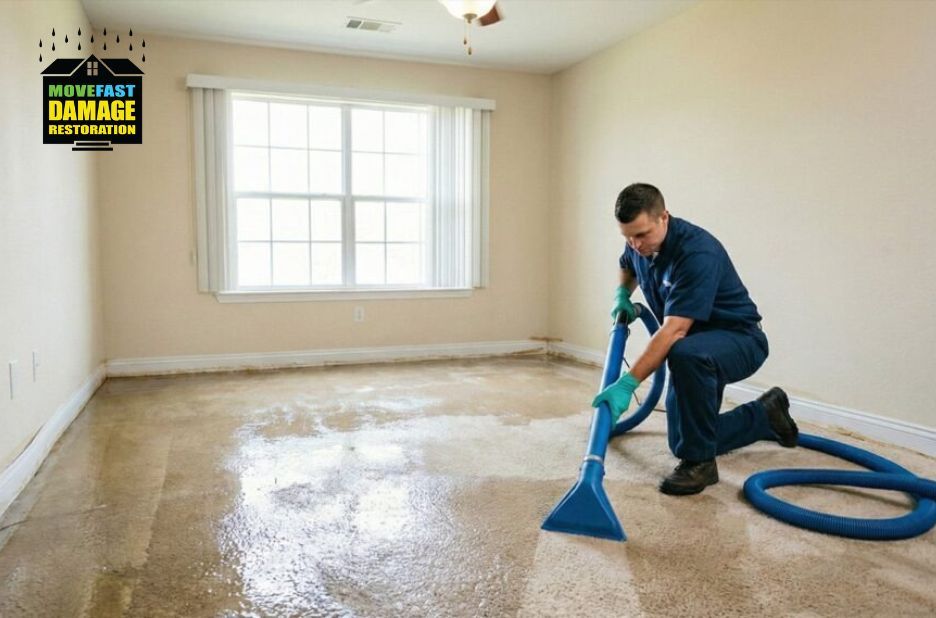
Once the area is safe, begin the extraction process with the right tools and methods. Standing water should be removed promptly to reduce swelling, staining, and the conditions that allow microbial growth. Start from the lowest point, work methodically across the area, and avoid Water Damage Restoration Company rushing into corners where pooling often remains. As water is removed, keep materials in mind: porous items like drywall and carpet padding may need specialized removal or aggressive drying depending on how deeply they absorbed moisture.
Containment helps prevent spread to unaffected spaces. Close doors or use temporary barriers to limit airflow between rooms, especially when fans and dehumidifiers are running. Protect personal belongings by relocating them to a dry area when feasible, and separate items that are salvageable from those that require discard due to contamination or structural compromise. A thorough plan also includes documenting pre-cleanup conditions, tracking which zones are cleared, and confirming that water is no longer present at the surface before moving to drying. should follow this structured approach to keep restoration efficient and reduce the number of repeated visits.
Drying, Monitoring, and Controlled Removal of Affected Materials
Extraction is only one phase; effective drying depends on controlled conditions and verification. Set up industrial air movers to create directed airflow across wet materials and use dehumidifiers to lower humidity so evaporation can happen faster and more evenly. The goal is not just to make floors feel dry, but to drive moisture out of building assemblies like subflooring, framing, and insulation. Use moisture meters to check progress and establish baselines, then retest after adjustments to confirm drying is truly occurring rather than being masked by surface evaporation.
When materials are too saturated or contaminated, removal may be necessary to protect the structure and indoor air quality. Drywall that has wicked moisture, soaked insulation, or carpet pad that held water may need to be extracted so the remaining layers can dry properly. Keep ventilation pathways in mind so airflow reaches behind baseboards and under edges where moisture often hides. During the drying phase, maintain consistent equipment operation and log measurements, because that record supports correct decision-making and helps ensure the restoration work is completed to standard. A qualified will also coordinate with insurance documentation when needed and explain what was removed, why it was removed, and how drying effectiveness was verified.
Final Inspection, Clean-Up, and Restoring Belongings
After drying reaches acceptable levels, shift to cleaning and restoration with a focus on health and appearance. If the water involved contaminants, cleaning should include appropriate disinfecting methods and careful handling of porous materials that can harbor residues. Vacuuming with proper filtration, wiping hard surfaces, and treating remaining affected areas helps reduce odor and residue that can linger after drying. For households with sensitive occupants, confirm that air quality steps are addressed, including ventilation and removal of damaged materials that cannot be effectively cleaned.
Then return belongings and complete repairs according to the condition of the materials. Place items only after moisture verification confirms they are safe to reintroduce, and replace items that cannot be restored because of saturation, warping, or ongoing odor retention. Inspect baseboards, trim, and flooring for lingering issues like buckling, discoloration, or weak spots, and plan repairs accordingly. Move Fast Restoration supports a complete path from extraction to drying to restoration at movefastrestoration.com, helping protect your home or business by using a structured, checklist-driven workflow that reduces guesswork and supports consistent outcomes.
Conclusion
When water damage strikes, a checklist approach keeps the response focused on safety, speed, and verification. From assessing hazards and controlling the source to extracting standing water and monitoring moisture levels, each step plays a role in preventing secondary damage. Using proper drying equipment and confirming results with measurements helps avoid hidden moisture that can lead to recurring problems. For dependable support end-to-end, Move Fast Restoration can be reached through movefastrestoration.com and provides professional extraction, drying, and restoration solutions designed to protect your property.
Choosing a team that follows documented procedures helps keep restoration efficient and reduces the risk of missed wet materials. A clear process also improves communication, so homeowners and business owners understand what is being done and why. Instead of reacting to visible symptoms alone, the right plan targets the full affected building assembly and the conditions that cause ongoing deterioration. With the right preparation and a disciplined workflow, recovery becomes more predictable and your property gets back to a safer, healthier state.