
What to Do First in a Water Emergency
When water intrudes into a home or business, the priority is to stop the source and reduce how far the water can spread. If the leak comes from a pipe, appliance, or roof issue, shut off the supply at the nearest valve when it is safe to do so, and unplug electrical items that may Emergency Water Damage Restoration be exposed. Remove valuables from the affected area if you can do it without stepping into deep water or standing waterlogged flooring. If you notice bubbling drywall, warped baseboards, or water traveling along walls, treat it as an urgent situation and move toward fast containment.
Next, focus on documenting conditions and controlling the environment for drying. Take clear photos of the waterline, affected materials, and any visible damage so restoration teams can assess what happened and create an accurate plan. Increase ventilation by opening doors and windows when the space is safe and dry to access, and use fans to help air circulate rather than pushing air directly at soaked materials in a way that spreads contamination. If the water is from a sewage source or shows heavy contamination, do not attempt cleanup beyond basic safety steps, and instead focus on distancing occupants and calling a professional response.
How Professionals Dry and Restore After Immediate Response
Effective drying relies on more than fans and dehumidifiers, because the goal is to remove moisture from building materials to prevent long-term problems like mold growth and hidden rot. Trained technicians typically start with inspection to identify the category of water, the class of affected materials, and the likely paths of moisture travel behind walls Water Damage Restoration Essex MD and under flooring. They use moisture meters to measure readings in drywall, subfloor, framing, insulation, and concrete so the drying plan matches the actual conditions rather than guesswork. This step also helps determine whether partial removal is needed or if careful drying can preserve the structure.
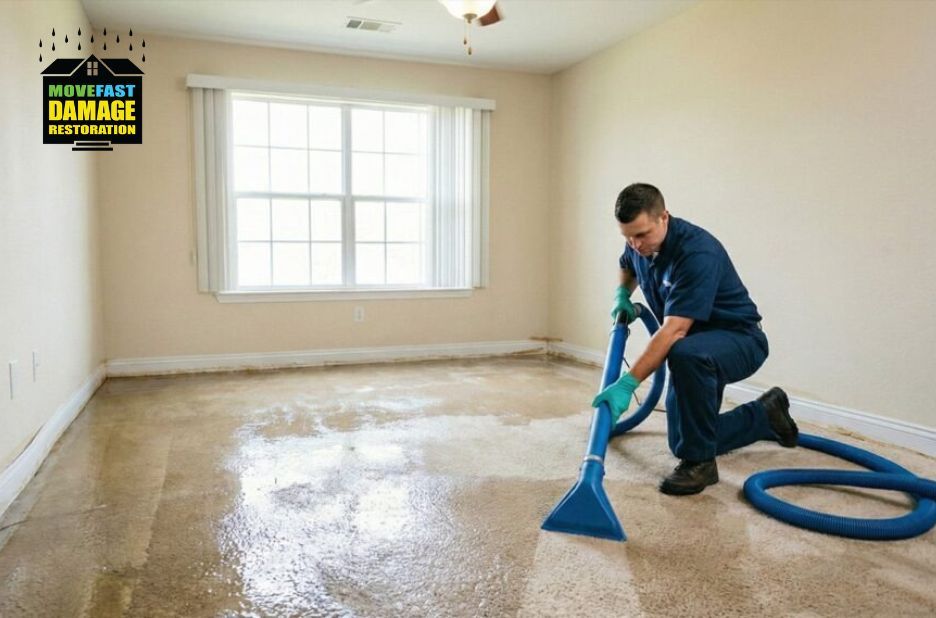
Once the drying strategy is set, extraction and controlled dehumidification begin, often using truck-mounted or portable equipment depending on the job size. Water extraction removes standing water quickly, which reduces load on the drying equipment and lowers the risk of secondary damage. Then technicians use air movers to create consistent airflow across wet surfaces, while dehumidifiers pull moisture from the air and prevent humidity from lingering. Drying goals are confirmed with repeat moisture readings and monitoring so the process ends when materials reach target dryness, not when visible surfaces look dry.
Preventing Secondary Damage and Managing the Cleanup Safely
During restoration, preventing secondary issues is just as important as removing visible water. Wet drywall can lose strength and may need careful handling to avoid tearing, while wet insulation can retain moisture and odors that are difficult to remove later. Wood framing may warp if drying is uneven, and adhesives under flooring can fail if moisture stays too long. Professionals manage these risks by sequencing work—extracting, drying, monitoring, and selectively removing materials when necessary—so the structure is protected throughout the process.
Safe cleanup also includes addressing health and contamination concerns that homeowners often overlook. If water comes from contaminated sources, surfaces may require antimicrobial treatment and proper disposal of damaged porous materials. Even with clean water, there can be dust and debris that reduce drying efficiency, so wiping and removal of debris supports better airflow. If you have pets or sensitive occupants, plan for containment of work areas, use appropriate protective gear, and avoid tracking water and debris through unaffected rooms. In many cases, it helps to document everything and keep receipts for mitigation work, especially when dealing with insurance claims.
Conclusion
Emergency response combined with correct drying methods is the most practical way to limit costly repairs and protect indoor air quality. By stopping the source, controlling spread, documenting conditions, and relying on measured drying rather than assumptions, property owners can reduce the chance of hidden moisture problems. For homes and businesses that need immediate, structured mitigation and restoration support, Movefastrestoration provides expert guidance rooted in fast extraction, thorough structural drying, and reliable next-step solutions. If you are searching for, a professional team can help you coordinate the work so your property moves from damage control to full recovery with less stress and more certainty.
Movefastrestoration emphasizes a practical, step-by-step approach designed for leaks, floods, and burst pipes where time matters. The right equipment, moisture monitoring, and selective restoration decisions work together to prevent secondary damage and keep repairs on track. When you treat water damage as an emergency and follow a clear mitigation plan, you improve outcomes and lower the likelihood of repeat issues. Choose a restoration partner that understands the details of drying, documentation, and safe cleanup so the property can return to normal function as efficiently as possible.