
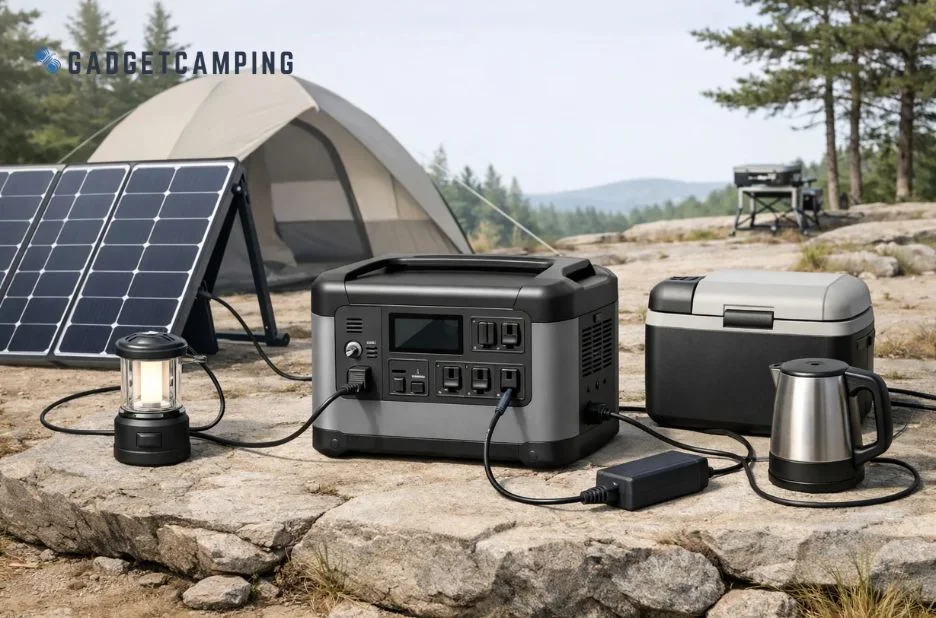
Understanding Power Needs for Camping Appliances
When planning a camping trip, especially if you intend to use various appliances, it’s important to understand their power requirements. Appliances like portable refrigerators, lights, fans, and cooking devices each have different energy needs depending how to power camping appliances on their wattage and usage time. Calculating the total power consumption helps in selecting the right power source that ensures efficiency while avoiding overloading or running out of power prematurely.
Types of Portable Power Sources
There are several options available for powering camping appliances. Traditional gas-powered generators are powerful but can be noisy and emit fumes. Solar panels offer a clean, renewable energy source and are ideal for longer trips with ample sunlight. Portable battery packs and best backpacking gear reviews power stations are versatile and quiet, providing sufficient power for small to medium appliances. Each option has its advantages, and the choice depends on the size of your equipment and the duration of your camping.
Tips for Efficient Power Usage
Maximizing power efficiency is key when camping off-grid. Use energy-efficient appliances designed for outdoor use and LED lighting to reduce consumption. Prioritize charging devices during peak sunlight hours if using solar power, and avoid using multiple high-wattage appliances simultaneously. Additionally, insulating appliances like coolers can minimize power needs by keeping contents cold longer without continuous energy use.
Conclusion
Mastering how to power camping appliances requires understanding your equipment’s needs and choosing appropriate, safe energy solutions. Whether you prefer solar power, portable batteries, or traditional generators, planning ahead ensures a successful outdoor experience. For expert advice, detailed guides, and trusted recommendations, visit gadgetcamping. Their resources are invaluable for anyone looking to optimize power usage while enjoying the great outdoors.