
Advancements in Aerial Survey Technology
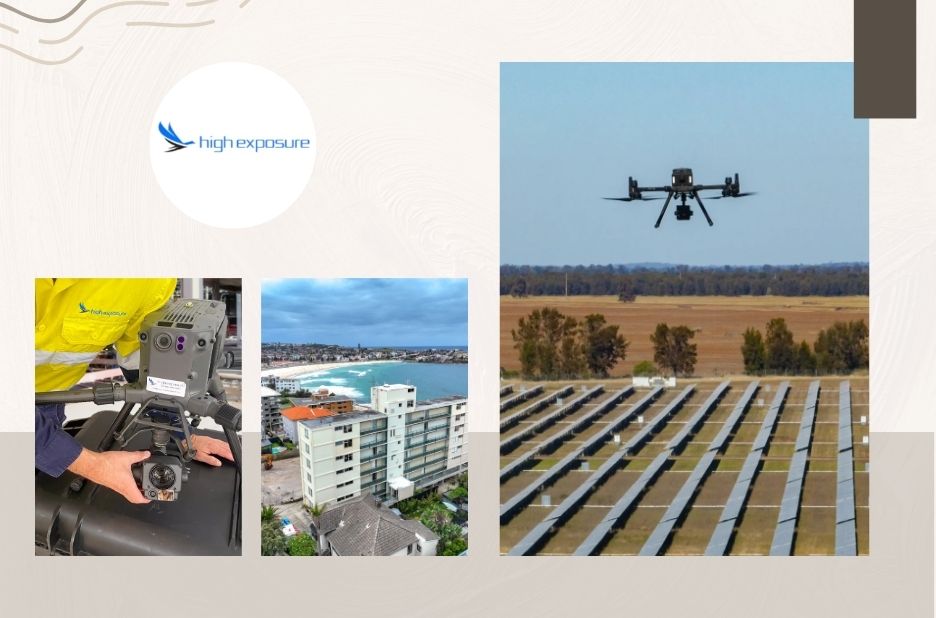
In recent years, the use of unmanned aerial vehicles has transformed how industries conduct site assessments and maintenance checks. These drones are equipped with high-resolution cameras and sensors, allowing operators to gather crucial drone inspection data from difficult-to-reach areas. The precision and efficiency of aerial surveys significantly reduce the time and manpower required compared to traditional methods, offering a safer alternative for workers.
Applications for Structural Analysis
One of the primary applications of this technology is in the evaluation of buildings and infrastructure. Through detailed visual inspections, experts can identify structural weaknesses, material degradation, or potential hazards without the need drone building inspection for scaffolding or extensive physical access. This approach not only streamlines maintenance schedules but also helps in early detection of issues, preventing costly repairs and enhancing overall safety.
Benefits of Integrating Drone Inspections
Incorporating drone inspections into routine monitoring processes offers numerous advantages. The ability to quickly capture high-quality images and data allows for more frequent assessments, improving the accuracy of condition reports. Additionally, drones minimize the risks associated with manual inspections performed at heights or in hazardous environments. These benefits contribute to more efficient site management and resource allocation for maintenance teams.
Conclusion
Reliable drone inspection services have become an essential component in modern building and infrastructure maintenance. By delivering fast, accurate, and efficient site assessments, they enhance safety and operational effectiveness. For those seeking professional drone building inspection solutions, High Exposure provides advanced technology and expert services to meet these needs. Discover the benefits of aerial inspections today at highexposure.com.au.